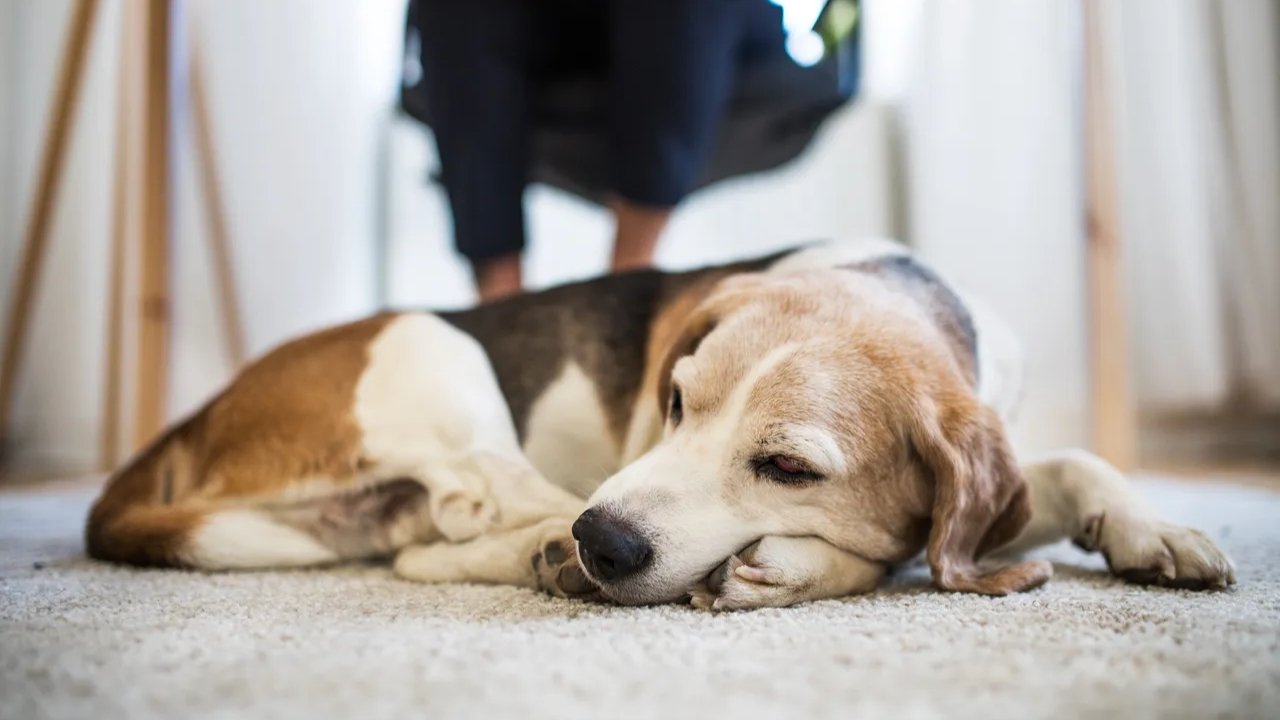
Dogs spend a significant portion of their lives sleeping. On average, an adult dog sleeps 12 to 14 hours a day, while puppies, seniors, and highly active dogs may sleep even more. Just like humans, the way dogs sleep can reveal a lot about how they feel physically and emotionally. Observing your dog’s sleeping positions is a simple yet powerful way to understand their comfort level, mood, and even health.
Every dog has its favorite way of sleeping, but some positions are more than just comfortable; they reflect trust, alertness, or a need for warmth and protection. By learning what these positions mean, you can strengthen your bond with your dog and respond better to their needs.

The Side Sleeper Position
One of the most common and relaxed sleeping positions for dogs is lying on their side with legs stretched out. In this position, the dog’s belly and chest are fully exposed. This indicates a sense of trust and security because the belly is one of the most vulnerable parts of a dog’s body.
Dogs that sleep on their side usually feel safe in their environment. This position allows for deep, restorative sleep and is often preferred by dogs who are confident and stress-free. Side sleeping also gives dogs the chance to stretch out completely, which helps relax muscles and joints.
If your dog frequently sleeps on their side, it is a sign that they feel at home, relaxed, and content. This position is also common among dogs after exercise or play, as it allows them to rest while fully letting go of tension.
The Curled-Up Position
The curled-up position is when a dog tucks its legs under its body and wraps its tail around itself. This sleeping style is often associated with protection and warmth. Dogs curl up naturally to preserve body heat and protect vital organs, especially when they feel a little unsure or when the environment is cooler.
This position is commonly seen in puppies, senior dogs, or dogs that are sleeping in a new or unfamiliar place. Curling up helps them feel safe and secure. Even in a familiar home, dogs sometimes curl up to feel cozy or to block out light and noise.
While the curled-up position indicates a desire for protection or warmth, it does not necessarily mean a dog is anxious. Many dogs simply find it comfortable, especially in smaller sleeping spaces or crates. If your dog tends to sleep curled up frequently, it may be a natural preference rather than a sign of insecurity.

The Belly-Up Position
When a dog sleeps on their back with their belly facing up, it is often considered the ultimate sign of trust. Exposing the belly is a vulnerable posture, and dogs usually do this only when they feel completely safe and relaxed.
This position allows the dog to cool down because the belly has less fur, helping regulate body temperature. Dogs may adopt this position during warmer weather or when they are in a calm and comfortable environment.
Dogs that sleep belly-up tend to be confident, happy, and very comfortable in their surroundings. Puppies and playful dogs sometimes use this position during naps to stretch out fully. Watching a dog sleep in this position can be a heartwarming sign that your pet feels secure and loved.
The Superman Position
The superman position is when a dog lies flat on their stomach with their front legs stretched forward and back legs extended behind them. This pose is common among young, active dogs, particularly puppies.

Dogs sleep in the superman position when they want to rest but still be ready to spring into action quickly. This position is often seen during short naps after playtime or exercise. Dogs in this posture may also enjoy the stretch it provides for their legs and spine.
While the superman position indicates rest, it is not usually associated with deep sleep. Instead, it suggests a combination of relaxation and readiness. Dogs that sleep like this are often alert, playful, and full of energy. It is also a way for them to stretch their muscles while resting lightly.

The Cuddle Bug Position
Some dogs love to sleep close to their owners or other pets. They may lean against a human, curl up beside another dog, or rest their head on a lap. This behavior is often referred to as the cuddle bug position.
Sleeping close to loved ones shows affection, trust, and a strong emotional bond. Dogs feel safe when they are near someone they trust and enjoy warmth and comfort from the contact. Many dogs naturally seek out human companionship during sleep, while others prefer the company of other pets.

This position also reflects social behavior. Dogs are pack animals by nature, and being close to others during rest fulfills their need for companionship and security. Owners often notice that their dogs adopt this position after bonding activities like play, walks, or cuddle time.
The Head-and-Paws-Down Position
In this position, dogs rest their head on their paws while lying down. It looks relaxed, but dogs in this posture are usually only lightly resting and remain somewhat alert.

Dogs often use this position during short breaks or light naps. It allows them to relax without fully giving up awareness of their surroundings. Dogs that sleep like this may be cautious, curious, or ready to respond if something catches their attention.
While this position is less associated with deep sleep, it is common in homes with other pets or activity. Dogs may adopt this posture when they want comfort but still need to stay aware of movements, sounds, or potential disturbances.

Why Dogs Change Sleeping Positions
Dogs do not always sleep in one position throughout the night or day. They may start curled up and later stretch out on their side. Shifts in sleeping posture depend on temperature, comfort, level of relaxation, and mood.
For example, a dog may curl up when it first lies down but stretch into the side sleeper position as they relax more fully. Puppies often switch between superman and belly-up positions, reflecting their playful and flexible energy.
These changes are normal and show that dogs adjust their sleep to maximize comfort. Owners can learn a lot by observing these patterns, including when their dog is stressed, happy, or feeling safe.
What Your Dog’s Sleeping Position Reveals About Health
While most sleeping positions reflect comfort and emotion, changes in sleep patterns can sometimes indicate health issues. For example, dogs that avoid lying on one side may be experiencing pain, joint discomfort, or injury.
Older dogs with arthritis or mobility issues often sleep in positions that reduce pressure on their joints. Sudden restlessness or changes in favorite positions may also indicate discomfort or illness. Paying attention to how your dog sleeps can help you notice potential health problems early.
Regular observation of sleeping habits, along with veterinary checkups, can help ensure your dog stays healthy and comfortable. Understanding your dog’s sleep positions is an easy way to monitor their well-being.
Tips to Support Healthy Sleep for Your Dog
Providing a comfortable and safe sleeping area is essential for good rest. Dogs benefit from a soft bed that supports their body, a quiet and calm environment, and a space free from drafts or excessive heat.
Maintaining a stable routine, including exercise, meals, and relaxation, helps dogs settle into deeper sleep. Exercise during the day also reduces restlessness at night and encourages more restorative sleep.
Pay attention to temperature, especially for puppies, senior dogs, or short-haired breeds. A cozy blanket or heated bed can make a curled-up dog more comfortable. Similarly, a cool, ventilated area may encourage a belly-up sleeper to rest more comfortably.
Social comfort is also important. Dogs that like companionship may benefit from being near family members or other pets. Respect your dog’s preferences and allow them to choose their sleep environment whenever possible.
How Observing Sleep Strengthens Your Bond
Watching and understanding your dog’s sleeping positions helps build a stronger connection. When you notice signs of relaxation, trust, or alertness, it provides insight into their emotional state.
Responding to their needs, providing comfort, and allowing them to sleep in positions that make them happy fosters a sense of security and trust. Over time, observing sleep patterns can also help you identify potential health issues early, allowing for timely veterinary care.
Dogs rely on their owners for safety and comfort, and understanding their body language during rest is an important part of caring for them. It is one of the simplest ways to communicate with your dog without words.
Conclusion
Dog sleeping positions offer a fascinating window into their emotions, comfort, and overall well-being. From the relaxed side sleeper to the playful superman position, each posture tells a story about how your dog feels at that moment.
By observing these positions, respecting your dog’s preferences, and providing a comfortable sleeping environment, you can support better sleep and health. Changes in sleeping patterns can also serve as early warnings of stress or health concerns.
Understanding your dog’s sleeping habits strengthens the bond you share, allowing you to meet their emotional and physical needs more effectively. Whether your dog curls up in a cozy ball, stretches on their side, or sleeps belly-up with full trust, these positions reveal the quiet, meaningful ways your pet communicates with you every day.