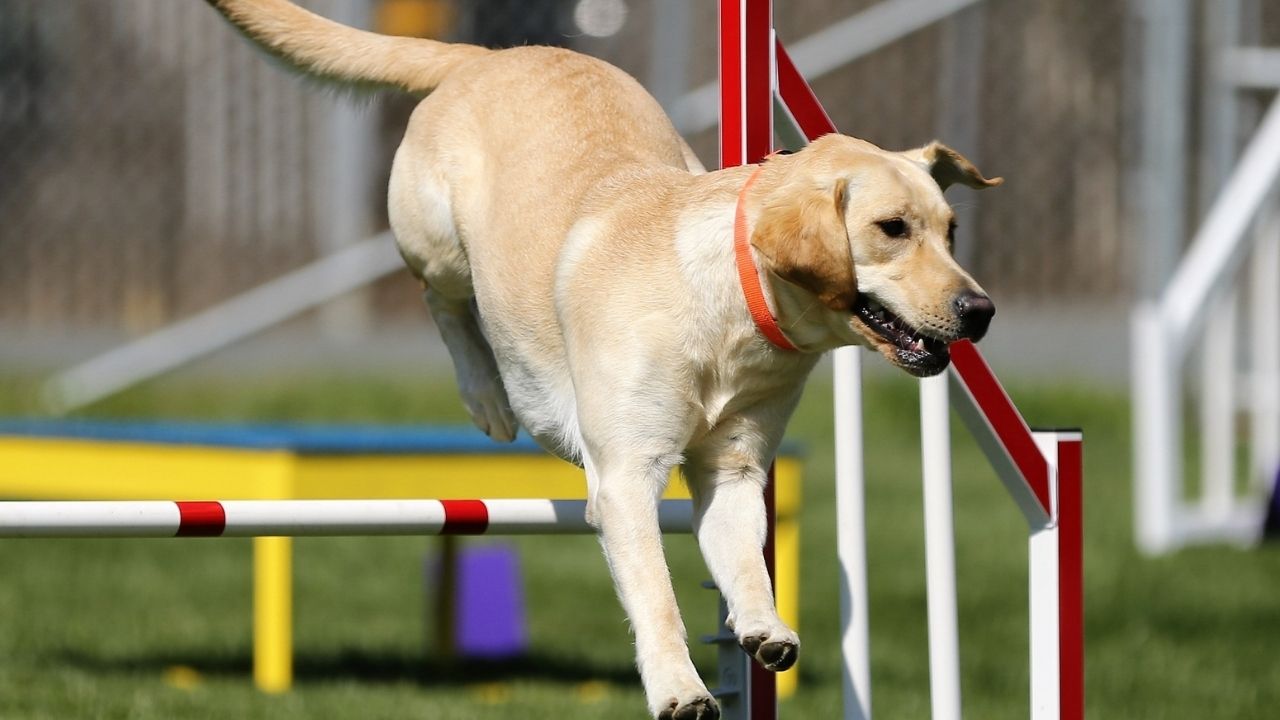
Teaching your dog to come when called is one of the most important skills they can learn. A reliable recall not only strengthens the bond between you and your dog but also keeps them safe in potentially dangerous situations. Whether at the park, near a road, or around other animals, a dog that responds quickly to your call can prevent accidents and stress.
Training a dog to come requires patience, consistency, and positive reinforcement. With the right approach, most dogs can learn a reliable recall, even if they are easily distracted or energetic. Here’s a step-by-step guide to help you teach your dog to come quickly and safely.

Understanding the Importance of Recall
Recall is more than just a trick; it is a safety tool. A dog that ignores your call can run into dangerous situations, such as traffic, aggressive animals, or hazardous terrain.
A strong recall also gives your dog the freedom to explore while still staying safe. When your dog knows they must return to you when called, you can trust them more off-leash and enjoy walks, hikes, and outdoor activities together.

Start with Basic Commands
Before teaching a fast recall, your dog should understand basic obedience commands such as sit, stay, and attention. These commands help your dog focus on you and understand what is expected.
Begin in a quiet, distraction-free environment. Practice calling your dog’s name and rewarding them when they look at you or move toward you. Using a cheerful, enthusiastic tone helps your dog associate coming to you with positive experiences.

Choose the Right Reward
Dogs are motivated by different things. Some love treats, others prefer toys or praise. Identify what your dog enjoys most and use it consistently during recall training.
High-value rewards work best for teaching fast recall. Reserve these special rewards only for recall practice so your dog learns that coming when called is always worth their attention.

Use a Consistent Cue
Pick a single word or phrase for your recall command, such as “come” or “here.” Consistency is key. Avoid using different words or phrases, as it can confuse your dog.
Always use the same tone and body language when calling your dog. Kneeling down, smiling, and clapping your hands can make you more appealing and encourage your dog to approach quickly.

Practice Short Distances First
Start with short distances where your dog can easily hear and see you. Call them from just a few feet away, rewarding them immediately when they come.
Repeat this exercise several times until your dog responds reliably. Gradually increase the distance as they become more confident. Short, frequent training sessions are better than long, exhausting ones.

Make It Fun
Recall training should be enjoyable for your dog. Turn it into a game by adding excitement and unpredictability. Try running away from your dog a few steps before calling them. Dogs often find chasing or following you fun, which strengthens the recall.
Avoid calling your dog to scold them, as this can create a negative association. Your dog should always see coming to you as a positive and rewarding experience.

Practice in Different Environments
Once your dog responds reliably indoors, gradually practice in more challenging environments. Try your backyard, quiet parks, or open spaces with moderate distractions.
Be patient and return to easier areas if your dog struggles. Real-world distractions, such as other dogs, people, or noises, can make recall more difficult. Gradually increasing challenges helps your dog learn to focus on you regardless of surroundings.

Use a Long Leash for Safety
A long leash or training line allows your dog to explore while keeping them safe. You can give them more freedom and still maintain control during recall practice.
This is especially useful in open spaces where your dog could run off or encounter hazards. Use the leash to gently guide your dog back if they hesitate, and always reward them for coming to you.

Avoid Repeating the Command
Once you call your dog, avoid repeating the command multiple times. Repeating it can teach your dog to ignore you until you are persistent.
Be patient and wait for your dog to respond. If they do not come immediately, you can gently encourage them with your body language or guide them with a leash, then reward them for eventually coming.

Gradually Reduce Rewards
Once your dog reliably comes when called, you can slowly reduce the frequency of high-value rewards. Praise, petting, or occasional treats can maintain their motivation.
Even after mastering recall, occasional reinforcement helps prevent the behavior from fading over time. Always end training sessions on a positive note to keep your dog enthusiastic about coming when called.
Be Patient and Consistent
Every dog learns at their own pace. Some may respond quickly, while others may take weeks or months to develop a reliable recall. Consistency, patience, and positive reinforcement are the keys to success.
Avoid punishment or frustration. These can harm the bond with your dog and make recall training harder. Celebrate small successes and progress, and remember that practice in different environments is essential.
Conclusion
Training your dog to come quickly and safely is one of the most valuable skills you can teach. It keeps your dog protected, allows more freedom, and strengthens your relationship. By using consistent commands, high-value rewards, gradual exposure to distractions, and patient practice, most dogs can learn to respond reliably.
With time, effort, and positive reinforcement, your dog will enjoy coming to you as a fun and rewarding experience, ensuring both safety and joy during every outing.