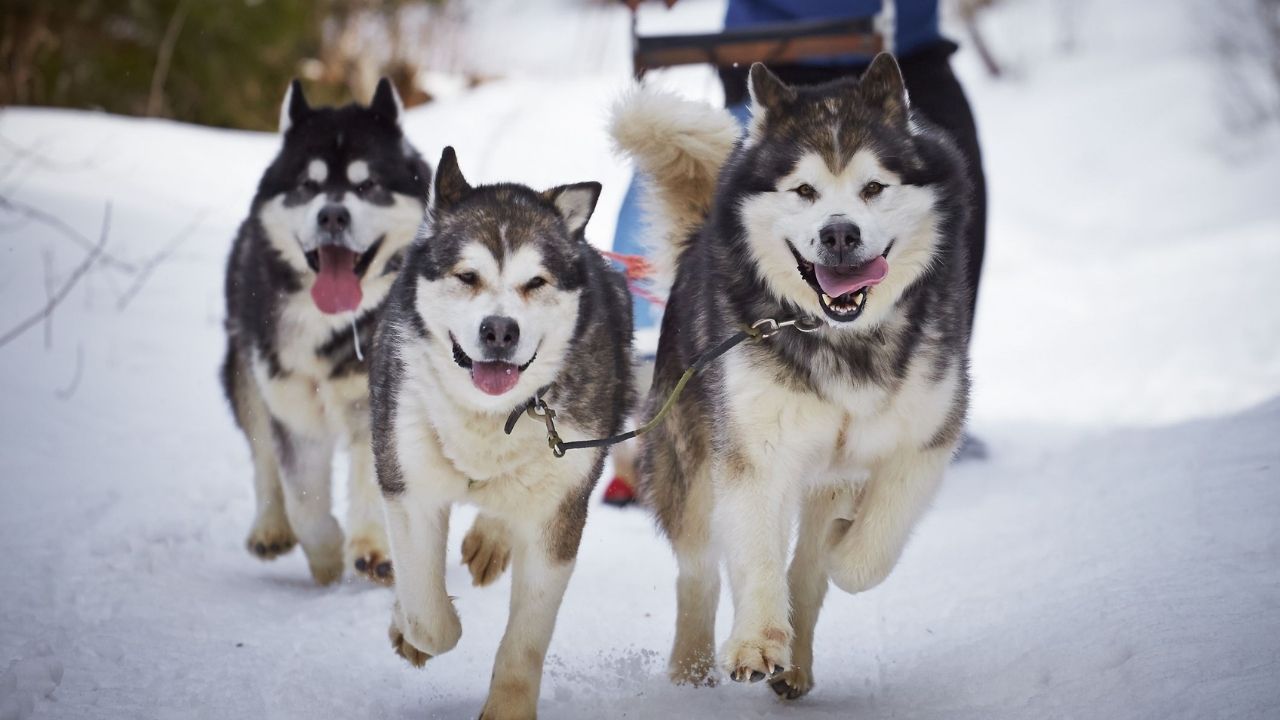
Cold weather can be challenging for dogs, especially certain breeds that are more sensitive to low temperatures. While some dogs thrive in the snow and freezing temperatures, others struggle to stay warm. Protecting your dog during winter is essential for their health, comfort, and safety.
Dogs can experience frostbite, hypothermia, and dry skin if exposed to harsh weather for too long. Their paws, ears, and tails are particularly vulnerable. Knowing which breeds need extra care and how to keep them warm can make a big difference. Here are ten dog breeds that require special attention in cold weather.

1. Chihuahua
Chihuahuas are tiny dogs with very short coats, which makes them highly susceptible to the cold. Their small body size means they lose heat quickly.
During winter, Chihuahuas should wear dog sweaters or jackets when going outside. Limit exposure to freezing temperatures and provide warm bedding indoors. Even a few minutes on icy ground can make them shiver and become uncomfortable.

2. Greyhound
Greyhounds have thin skin, little body fat, and short coats. They are known for their speed, but their bodies are not well-insulated against cold weather.
Extra layers, such as coats or sweaters, are essential for outdoor activities. Avoid long walks in freezing temperatures and provide a cozy indoor space. Greyhounds may also benefit from heated beds in extreme cold.

3. Italian Greyhound
Similar to Greyhounds, Italian Greyhounds are very small and lean, with short fur that offers minimal protection from the cold.
Short outdoor walks and warm clothing are a must. They can easily develop hypothermia if left outside for too long. Indoors, a soft blanket or heated bed can help them stay comfortable during winter months.

4. Dachshund
Dachshunds have long bodies but short legs and thin coats, making them prone to getting cold quickly. Cold weather can also worsen joint pain, which is common in this breed.
Warm sweaters, limited exposure to snow, and padded bedding are recommended. You should monitor them closely during outdoor activities and keep walks short on very cold days.

5. Whippet
Whippets are another breed with short fur and low body fat. They are athletic dogs but need extra protection from the cold.
Clothing, including coats and sweaters, is important for walks. Avoid icy surfaces and prolonged exposure to freezing temperatures. Indoors, they will appreciate soft, warm bedding and blankets to snuggle in.

6. Boston Terrier
Boston Terriers have short snouts and thin coats, making them sensitive to cold and wind. Their short legs also keep them closer to icy ground, which can chill them quickly.
Limit outdoor time in harsh conditions and provide warm clothing. Booties can protect their paws from ice, salt, and snow. Always dry them thoroughly after walks to prevent skin irritation.

7. Toy Poodle
Toy Poodles are small dogs with curly coats that provide some warmth but still need extra care in cold weather. Their tiny size makes them vulnerable to cold temperatures.
Layering with a sweater or jacket helps during walks. Keep exercise indoors or in protected areas when it’s extremely cold. Heated bedding or blankets can also improve their comfort at home.

8. Papillon
Papillons are tiny dogs with fine bones and thin coats, making them highly sensitive to cold. They enjoy being active but can shiver quickly if exposed to freezing temperatures.
Clothing, warm bedding, and shorter outdoor sessions are recommended. Their small paws can also get cold quickly on icy surfaces, so consider protective booties during walks.

9. Pomeranian
Pomeranians have fluffy coats, but their small size and delicate bodies make them susceptible to cold, especially in wind or rain. Older Pomeranians may also experience joint stiffness during winter months.
Coats or sweaters, along with indoor warmth, help keep them comfortable. Keep walks short in extreme cold and ensure they have a cozy indoor space to rest afterward.

10. Chihuahua Mixes and Small Breeds
Many small dog breeds and mixes share traits that make them sensitive to cold, including low body fat, thin coats, and short legs. These dogs need extra protection from winter elements.
Clothing, blankets, and limited outdoor exposure are key. Pay attention to their behavior; shivering, reluctance to move, or lifting paws off the ground are signs they are too cold.
Practical Tips to Keep Cold-Sensitive Dogs Safe
Keeping these dogs healthy in winter involves more than clothing. Always monitor the weather before going outside, and adjust outdoor activity accordingly.
Protect their paws from ice, salt, and snow with dog booties or paw wax. Dry their paws thoroughly after walks. Provide warm bedding and blankets indoors, especially for small or elderly dogs.
Never leave dogs outside for long periods in freezing temperatures. Dogs with short fur or low body fat can develop hypothermia or frostbite quickly. Adding layers of warmth and limiting outdoor exposure are crucial.
Regular vet visits are also important during winter months. Your vet can advise on nutrition, supplements for joint health, and other measures to keep your dog comfortable in cold weather.
Conclusion
Cold weather can be challenging for many dogs, especially small, lean, or short-haired breeds. Chihuahuas, Greyhounds, Whippets, Dachshunds, and other similar breeds need extra care to stay warm and healthy.
Providing coats, sweaters, booties, warm bedding, and shorter outdoor sessions can make a big difference. Monitoring behavior, avoiding prolonged exposure, and ensuring regular vet check-ups will help your dog enjoy winter safely. With attention and care, even the most cold-sensitive breeds can stay happy and healthy during the chilly months.