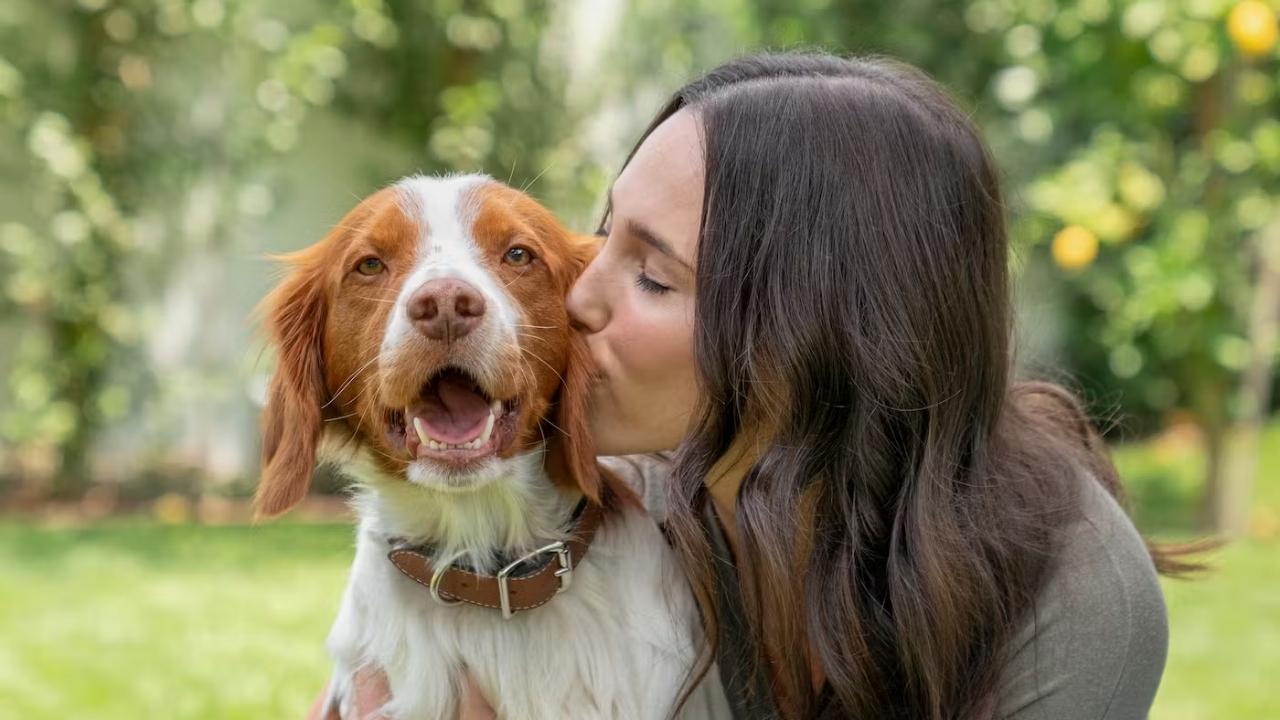
Dogs of all breeds, sizes, and ages can experience stress at different stages of their lives. Understanding who may need relaxation support, what triggers anxiety, when stress becomes noticeable, where it most commonly occurs, why dogs react emotionally, and how natural methods can help is essential for responsible pet owners. Dogs may feel uneasy during loud events, unfamiliar surroundings, changes in routine, or periods of separation from their owners. Recognizing these factors early allows you to respond gently and effectively, helping your dog feel calm, secure, and emotionally balanced without the need for harsh interventions.
Why Are Dogs Stressed?
Dogs become stressed for many of the same reasons humans do, including fear, uncertainty, and lack of control over their surroundings. Changes in environment, such as moving to a new home or introducing new people or pets, can easily disrupt a dog’s sense of security. Loud noises, unfamiliar smells, and sudden movements can also overwhelm their sensitive senses.

In addition, dogs are highly emotional and deeply connected to their owners. When they sense tension, sadness, or frustration in the household, they often absorb that energy. Lack of mental stimulation, insufficient exercise, or long periods of isolation can further increase stress levels, making it important to address both emotional and physical needs.
Create a Calm and Predictable Routine
A consistent daily routine provides dogs with a strong sense of safety and structure. When feeding, walking, playing, and resting happen around the same time each day, dogs learn what to expect and feel more at ease in their environment. This predictability reduces confusion and prevents unnecessary stress caused by uncertainty.

Sudden changes in routine can make dogs feel unsettled and anxious. By maintaining a stable schedule, you help your dog develop confidence and emotional stability, which naturally leads to a calmer and more relaxed state of mind.
Use Gentle Touch and Massage
Physical touch is a powerful way to communicate comfort and reassurance to your dog. Slow, gentle strokes and calm petting can help lower stress levels by relaxing tense muscles and creating a feeling of safety. This type of interaction strengthens emotional bonds and builds trust.
Light massage around the shoulders, chest, and neck can further enhance relaxation. Paying close attention to your dog’s body language ensures the experience remains soothing and enjoyable, allowing your dog to fully benefit from the calming effect.
Provide Regular Physical Exercise
Physical activity plays a vital role in maintaining both mental and emotional health in dogs. When dogs do not get enough exercise, excess energy can turn into restlessness, frustration, or anxious behavior. Regular movement helps release built-up tension in a healthy way.

Daily walks, gentle play, or controlled training sessions allow dogs to expend energy and feel more settled afterward. Matching the intensity of exercise to your dog’s age, breed, and physical condition ensures that activity promotes relaxation rather than overstimulation.
Offer Mental Stimulation
Mental stimulation is just as important as physical exercise when it comes to relaxation. Dogs that lack mental challenges often become bored, which can lead to stress-related behaviors such as barking, chewing, or pacing. Keeping the mind engaged provides emotional satisfaction.
Interactive toys, scent-based games, and short training exercises encourage focus and problem-solving. These activities boost confidence and help redirect nervous energy into positive mental engagement, supporting a calmer emotional state.
Create a Safe Resting Space
A quiet and comfortable resting area gives your dog a place to escape when they feel overwhelmed. This space should be located away from loud noises and constant activity, allowing your dog to relax without disturbances.

Including familiar bedding, comforting scents, and favorite toys makes the area feel secure. When dogs know they have a safe place to rest, they are more likely to manage stress effectively and recover quickly from anxious moments.
Use Natural Scents Carefully
Natural scents can have a gentle calming influence on dogs when introduced thoughtfully. Mild aromas such as lavender or chamomile are commonly associated with relaxation and can help create a soothing atmosphere.

These scents should always be used in moderation and in well-ventilated spaces. Observing your dog’s response ensures the scent is comforting rather than irritating, allowing aromatherapy to support relaxation safely.
Practice Calm Communication
Dogs are highly sensitive to human behavior and tone of voice. Speaking softly and maintaining relaxed body language can instantly influence your dog’s emotional state. Calm communication reassures dogs that they are safe and understood.

Avoid raised voices, sudden movements, or tense behavior, especially during stressful situations. When you remain calm, your dog is more likely to mirror that energy, leading to improved emotional balance.
Play Soft Background Sounds
Sound can significantly affect a dog’s comfort level. Gentle background music or white noise helps mask sudden or loud sounds that may cause stress, such as traffic, fireworks, or storms.

Soft, steady audio creates a peaceful environment and reduces startle responses. This technique is especially useful when your dog is alone or during times when external noise cannot be controlled.
Encourage Natural Chewing Habits
Chewing is a natural and calming behavior for dogs. It helps release tension and provides an outlet for nervous energy in a safe and constructive way.

Providing appropriate chew toys allows dogs to soothe themselves while also supporting dental health. Choosing the right chew options ensures the activity remains both relaxing and beneficial.
Spend Quality Time Together
Spending calm, focused time with your dog is one of the most effective ways to promote relaxation. Your presence offers reassurance and strengthens the emotional bond you share.
Quiet companionship, gentle play, or relaxed interaction helps your dog feel valued and secure. Consistent quality time builds trust and contributes to long-term emotional well-being.
Conclusion
Helping your dog relax naturally requires patience, understanding, and consistency. By combining structured routines, physical and mental engagement, calming environments, and gentle communication, you create a supportive atmosphere that reduces stress.
These natural techniques not only improve your dog’s emotional health but also strengthen your relationship. A calm and relaxed dog is happier, healthier, and more confident, leading to a more peaceful and fulfilling life together.