
Feeding your dog the right amount each day is one of the most important responsibilities of pet ownership. Proper nutrition supports healthy growth, strong immunity, steady energy levels, and a long, happy life. However, many dog owners feel confused about portion sizes, feeding frequency, and choosing the right food. Factors such as age, size, activity level, and overall health all influence how much food a dog truly needs. Understanding these elements helps ensure your dog receives balanced nutrition without overfeeding or underfeeding.
Understand Your Dog’s Basic Nutritional Needs
Dogs require a balanced diet that includes protein, carbohydrates, fats, vitamins, and minerals. Protein supports muscle development and tissue repair, while fats provide energy and help maintain healthy skin and coat. Carbohydrates supply fuel for daily activities and support digestion when included in proper amounts.

Vitamins and minerals play a crucial role in bone strength, immune function, and overall health. Feeding the correct quantity ensures that these nutrients are absorbed efficiently without placing unnecessary strain on your dog’s digestive system.
Consider Your Dog’s Age
A dog’s age significantly affects daily feeding requirements. Puppies need more calories relative to their size because they are growing rapidly and developing bones, muscles, and organs. They typically require smaller meals given more frequently throughout the day.

Adult dogs need a balanced amount of food to maintain their weight and energy. Senior dogs, on the other hand, often need fewer calories due to reduced activity levels. Adjusting portions according to life stage helps prevent obesity and nutrient deficiencies.
Factor in Breed and Body Size
Breed and body size play a major role in determining how much food your dog needs. Small breeds generally require fewer calories but often have faster metabolisms, while large breeds need larger portions to support their size and muscle mass.
Giant breeds need carefully measured meals to avoid joint strain and excessive weight gain. Understanding breed-specific needs allows you to tailor portions that support healthy growth and mobility.
Adjust Feeding Based on Activity Level
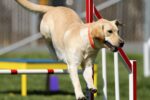
An active dog burns more calories than a sedentary one. Dogs that engage in regular exercise, training, or outdoor activities require more energy to fuel their lifestyle.

Less active dogs need smaller portions to avoid unnecessary weight gain. Observing your dog’s daily movement and adjusting food intake accordingly helps maintain a healthy weight and consistent energy levels.
Choose Quality Dog Food
The quality of dog food matters just as much as the quantity. High-quality food contains better ingredients, balanced nutrients, and fewer fillers, meaning your dog may need smaller portions to meet nutritional needs.

Reading ingredient labels and selecting food appropriate for your dog’s life stage and size ensures better digestion and nutrient absorption. Quality food supports long-term health and reduces feeding-related problems.
Understand Portion Guidelines
Most commercial dog foods provide feeding guidelines based on weight and age. These guidelines are a helpful starting point but should not be followed blindly.

Every dog is unique, and factors such as metabolism and health conditions may require adjustments. Monitoring your dog’s body condition helps determine whether portions need to be increased or reduced.
Avoid Overfeeding and Underfeeding
Overfeeding can lead to obesity, joint problems, and reduced lifespan, while underfeeding may cause weakness, poor coat quality, and nutrient deficiencies. Both extremes can negatively affect your dog’s well-being.

Maintaining proper portion control ensures balanced energy levels and healthy body weight. Regularly evaluating your dog’s appearance and behavior helps identify feeding issues early.
Establish a Consistent Feeding Schedule
Consistency in feeding times helps regulate digestion and energy levels. Most adult dogs do well with two meals per day, while puppies may need three to four smaller meals.

A regular feeding schedule also supports better behavior by preventing hunger-related anxiety. Consistency helps dogs feel secure and comfortable in their daily routine.
Monitor Your Dog’s Weight and Condition
Regularly checking your dog’s weight and body condition is essential. You should be able to feel your dog’s ribs without them being too visible, and your dog should have a noticeable waist when viewed from above.

Sudden weight changes may indicate feeding issues or underlying health concerns. Adjusting food portions gradually helps maintain optimal condition and overall health.
Treats and Extras Count Too
Treats can be a valuable training tool, but they should not replace balanced meals. Excessive treats can quickly add extra calories and disrupt proper nutrition.

Limiting treats and choosing healthier options ensures your dog’s diet remains balanced. Treats should complement daily nutrition, not exceed it.
Conclusion
Feeding your dog the right amount each day is about balance, observation, and understanding individual needs. By considering age, size, activity level, and food quality, you can create a feeding routine that supports long-term health.
Consistent portions, high-quality nutrition, and regular monitoring help prevent common feeding problems. When your dog receives proper daily nutrition, they are more likely to stay active, happy, and healthy throughout every stage of life.