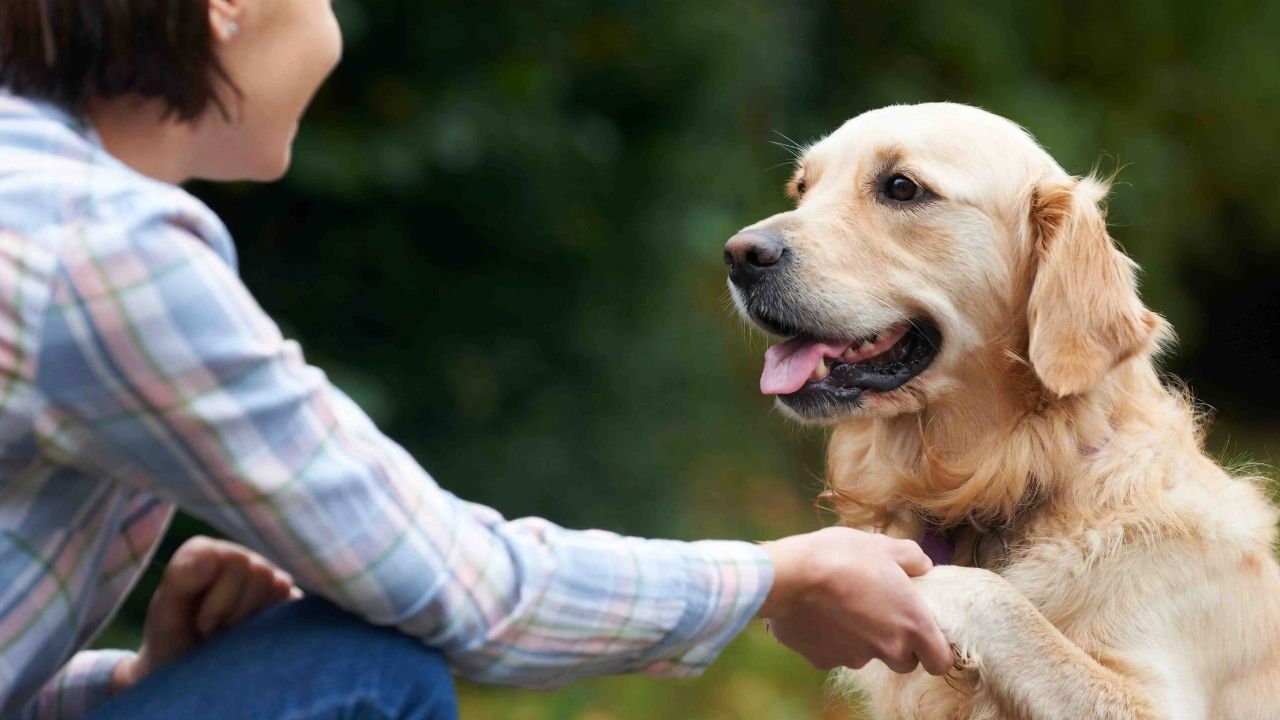
As dogs age, their needs change, and caring for a senior dog requires more attention and awareness. Older dogs may slow down, develop health issues, or experience changes in behavior. Providing proper care during this stage of life can help your dog stay happy, healthy, and comfortable for as long as possible.
Caring for senior dogs involves more than just feeding them well. It includes regular vet visits, physical activity, mental stimulation, and attention to their emotional needs. By taking a proactive approach, you can prevent or manage many age-related problems and improve your dog’s quality of life.

Here are some practical tips for long-term wellness in senior dogs.
Regular Veterinary Check-Ups
Senior dogs should visit the veterinarian at least twice a year. As dogs age, their risk for conditions like arthritis, heart disease, kidney problems, and dental issues increases.

During these check-ups, your vet can perform blood work, check weight, and assess mobility. Early detection of health problems makes treatment more effective and can prevent complications. Routine vaccinations and parasite prevention are also important to keep your dog healthy.
Balanced and Nutritious Diet
Nutrition plays a key role in senior dog wellness. Older dogs may have slower metabolisms and different dietary needs compared to younger dogs.

High-quality senior dog food is designed to support joint health, maintain muscle mass, and manage weight. Some dogs may need diets tailored for specific health conditions like kidney disease or diabetes. Fresh water should always be available, and treats should be given in moderation to avoid unnecessary weight gain.
Maintain a Healthy Weight
Weight management is crucial for senior dogs. Excess weight puts stress on joints, worsens arthritis, and increases the risk of heart disease and diabetes.

Work with your vet to determine the ideal weight for your dog. Incorporate regular exercise suitable for their age and ability. Even short, gentle walks or low-impact play can help maintain muscle tone and mobility.
Exercise and Mental Stimulation
Older dogs still need physical activity to stay healthy. Exercise helps maintain mobility, supports cardiovascular health, and prevents obesity.

Adjust exercise routines to your dog’s ability. Low-impact activities, like slow walks, swimming, or gentle fetch, are ideal. Mental stimulation is just as important. Puzzle toys, scent games, and training exercises can keep your dog’s mind active and reduce stress or boredom.
Comfortable Living Environment
As dogs age, they may experience joint stiffness, reduced vision, or hearing loss. Making your home senior-friendly can improve their comfort and safety.

Provide soft bedding, easy access to favorite spots, and ramps or steps for furniture. Keep water and food bowls at a comfortable height. Minimize hazards like slippery floors or obstacles that could cause injury. Creating a calm and safe environment helps reduce stress and supports your dog’s overall wellbeing.
Monitor Behavior and Health Changes
Pay attention to changes in your dog’s behavior or habits, as these can indicate health problems. Signs such as increased thirst, frequent urination, difficulty climbing stairs, or changes in appetite should be discussed with a vet.

Behavioral changes, like anxiety, excessive sleeping, or aggression, can also be linked to underlying medical conditions. Keeping a log of changes can help your vet identify issues early and provide timely treatment.
Dental Care
Dental health often declines in senior dogs. Dental disease can cause pain, infection, and even affect the heart, kidneys, or liver.

Brushing your dog’s teeth regularly and providing dental chews or toys can reduce plaque and tartar buildup. Regular professional dental check-ups are recommended. Early attention to dental health prevents serious complications and keeps your dog comfortable.
Joint and Mobility Support
Joint problems, such as arthritis, are common in senior dogs. Maintaining mobility is important for their overall quality of life.

Supplements containing glucosamine, chondroitin, or omega-3 fatty acids can support joint health. Gentle exercise, weight management, and soft bedding also reduce stress on joints. For dogs with severe arthritis, your vet may recommend medications or physical therapy to improve comfort and mobility.
Emotional Wellbeing
Senior dogs may become more anxious or sensitive to changes in routine. Spending quality time with your dog, providing consistent routines, and showing affection can improve their emotional wellbeing.

Interactive play, gentle petting, and positive reinforcement for desired behaviors help maintain a strong bond and reduce stress. Even short periods of attention each day can make a big difference in your dog’s happiness.
End-of-Life Considerations
Caring for a senior dog also involves preparing for the later stages of life. Understanding signs of discomfort or declining health allows you to make compassionate decisions about quality of life.
Veterinarians can help you plan for palliative care or end-of-life support when necessary. Ensuring your dog is comfortable, pain-free, and surrounded by love is a vital part of responsible care.
Conclusion
Caring for a senior dog is a rewarding experience that requires attention, patience, and love. Regular veterinary check-ups, proper nutrition, exercise, mental stimulation, and a safe environment all contribute to long-term wellness.
By observing changes in behavior and health, maintaining joint support, and providing emotional care, you can help your senior dog enjoy their golden years. A proactive approach ensures your companion remains healthy, happy, and comfortable for as long as possible.