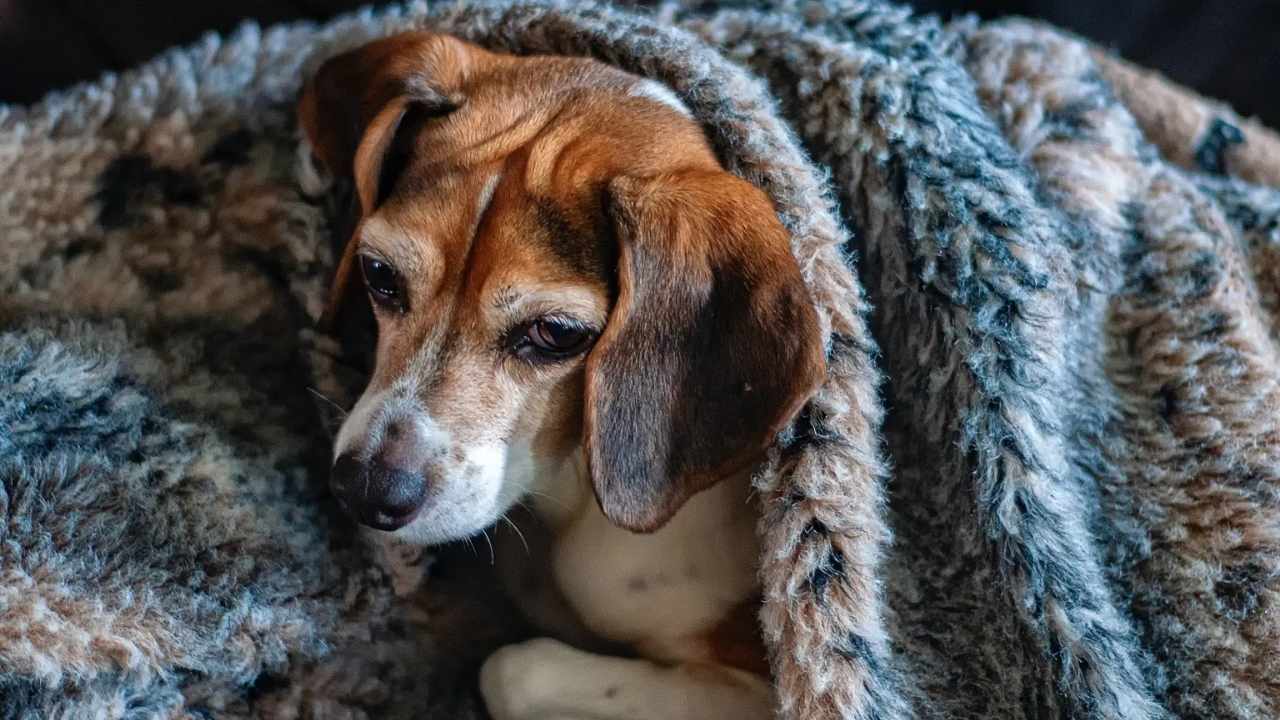
As dogs enter their senior years, they need extra care and attention, especially during cold weather. Aging affects their ability to regulate body temperature, move comfortably, and fight illness. Winter can be hard on older dogs if proper precautions are not taken. With thoughtful planning and small daily habits, you can help your senior dog stay safe, warm, and healthy throughout the colder months.
Understanding How Cold Weather Affects Senior Dogs
Senior dogs are more sensitive to cold because their bodies do not work the same way they once did. They may have slower blood circulation, reduced muscle mass, and thinner fur. These changes make it harder for them to stay warm.
Many older dogs also suffer from arthritis or joint stiffness. Cold temperatures can increase pain and reduce mobility. Even dogs that once loved winter may now feel uncomfortable or tired quickly.
Older dogs may not always show clear signs of discomfort. Some will try to hide pain or act normal. As a caring owner, it is important to notice small changes in behavior, energy levels, or movement.

Creating a Warm and Comfortable Indoor Space
Keeping your senior dog warm indoors is one of the most important steps during winter. Make sure your home stays at a comfortable temperature, especially in rooms where your dog spends most of their time.
Avoid placing your dog’s bed near doors, windows, or areas with cold drafts. Cold air can lower body temperature, even indoors. Choose a quiet and warm spot where your dog can rest peacefully.
A good quality bed is essential for senior dogs. Soft, supportive beds help protect joints and muscles. Orthopedic beds are especially helpful for dogs with arthritis. Adding extra blankets can provide warmth and comfort.
Some dogs enjoy warm surfaces. Allow your dog to relax in sunny areas during the day, but ensure they are not exposed to cold once the sunlight moves away.

Dressing Your Senior Dog for Winter
Many senior dogs benefit from wearing winter clothing. Dog sweaters or coats can help retain body heat, especially for small breeds, short-haired dogs, or those with health conditions.
Choose clothing that fits well and allows free movement. It should cover the chest and belly, as these areas lose heat quickly. Avoid tight or heavy outfits that may cause discomfort.

Introduce winter clothing slowly. Let your dog wear it for short periods indoors before going outside. Praise and reward them so they associate clothing with positive experiences.
Always remove wet clothes after walks. Damp fabric can make your dog colder and lead to skin problems.

Planning Safe and Comfortable Winter Walks
Exercise is still important for senior dogs, even in winter. Gentle activity helps keep joints flexible and supports mental health. However, winter walks should be adjusted to your dog’s needs.
Choose warmer times of the day, such as late morning or early afternoon. Avoid early mornings and late evenings when temperatures are lowest.
Shorter and slower walks are better for older dogs. Cold muscles are more likely to strain or injure. Allow your dog to set the pace and take breaks if needed.
Stay on clear paths when possible. Ice and snow increase the risk of slipping. Sidewalk salt and chemicals can hurt your dog’s paws, so be cautious about where you walk.

Protecting Paws from Cold and Chemicals
Your dog’s paws are exposed directly to cold surfaces. Snow, ice, and salt can cause dryness, cracks, and pain. Senior dogs may be more sensitive to these conditions.
Before walks, you can apply a pet-safe paw balm. This creates a protective layer and helps prevent dryness. After walks, gently clean and dry your dog’s paws to remove salt and debris.

Some dogs benefit from wearing dog booties. These protect paws from cold and chemicals. However, not all dogs like them. If your dog refuses booties, regular paw care becomes even more important.
Check between toes for snow buildup or redness. If you notice sores or swelling, contact your veterinarian.

Managing Joint Pain and Mobility Issues
Cold weather often increases joint pain in senior dogs. Arthritis and stiffness may become more noticeable during winter. Providing extra support can help your dog stay comfortable.
Gentle exercise is important, but avoid overexertion. Short walks and light play help keep joints moving without causing strain. Warm-up time indoors before walks can also help.
Provide warm resting areas. Heated pet pads or blankets can soothe sore joints. Make sure heating devices are safe and designed for pets to avoid burns.
Talk to your veterinarian about joint supplements, medications, or physical therapy options. Regular vet visits help manage pain and maintain mobility.
Maintaining Proper Nutrition During Winter
Senior dogs still need balanced nutrition during winter. Some dogs may burn more energy trying to stay warm, while others may become less active and gain weight.
Monitor your dog’s weight and appetite. Adjust food portions if necessary, but avoid sudden changes. Always consult your veterinarian before making major dietary changes.
Warm meals can be comforting during cold weather. Slightly warming food may encourage picky eaters and improve digestion.
Do not forget about hydration. Dogs may drink less water in winter, but staying hydrated is essential for joint health and overall well-being. Ensure fresh water is always available and not too cold.
Grooming and Skin Care in Cold Weather
Winter air is often dry, which can affect your dog’s skin and coat. Senior dogs may experience dryness, itching, or flaky skin.
Regular grooming helps maintain healthy skin and fur. Brushing removes dead hair and improves blood circulation. It also allows you to check for skin issues.
Avoid frequent baths during winter, as they can dry out the skin. When bathing is necessary, use a gentle, moisturizing dog shampoo. Make sure your dog is fully dry before going outside.
If dryness persists, ask your veterinarian about skin supplements or moisturizing treatments.
Watching for Signs of Cold Stress
It is important to recognize when your senior dog is feeling too cold. Common signs include shivering, whining, lifting paws, slow movement, and reluctance to go outside.
Some dogs may seek warm spots constantly or curl up tightly to conserve heat. These behaviors suggest they need extra warmth.
Severe cold exposure can lead to hypothermia. Signs include extreme weakness, confusion, shallow breathing, and pale gums. This is a medical emergency and requires immediate veterinary care.
Never ignore changes in behavior during cold weather. Acting early can prevent serious health issues.
Limiting Outdoor Time in Extreme Weather
Senior dogs should not stay outside for long periods during winter. Even dogs that enjoy cold weather need supervision.
Bathroom breaks should be short and monitored. Avoid letting your dog roam outside alone in freezing temperatures.
If weather conditions are extreme, consider indoor potty solutions for dogs with mobility issues. Puppy pads or indoor grass mats can be helpful alternatives.
Always bring your dog back into a warm environment as soon as possible.
Traveling and Outdoor Safety Tips
If you travel with your senior dog during winter, plan ahead. Keep the car warm and never leave your dog alone in a cold vehicle.
Bring blankets, water, and any medications your dog needs. Make frequent stops during long trips to allow movement and bathroom breaks.
When visiting new places, check for hazards such as icy stairs or slippery floors. Senior dogs need stable footing to avoid falls.
Ensuring Emotional Comfort and Routine
Winter can disrupt routines, which may affect senior dogs emotionally. Older dogs often prefer predictable schedules and familiar surroundings.
Try to maintain regular feeding times, walks, and rest periods. Consistency provides comfort and reduces stress.
Spend quality time indoors with your dog. Gentle play, brushing, or simply sitting together strengthens your bond and keeps your dog mentally engaged.
Mental stimulation is just as important as physical care during winter.
Conclusion
Caring for a senior dog during cold weather requires patience, awareness, and love. Aging dogs face unique challenges in winter, from joint pain to difficulty staying warm. By creating a cozy indoor space, adjusting exercise routines, protecting paws, and monitoring health closely, you can make winter safer and more comfortable for your dog.
Small actions, such as using warm bedding, dressing appropriately, and watching for signs of discomfort, can greatly improve your senior dog’s quality of life. Your dog has shared many years of loyalty and companionship with you. With thoughtful winter care, you can ensure their golden years remain happy, healthy, and full of comfort.