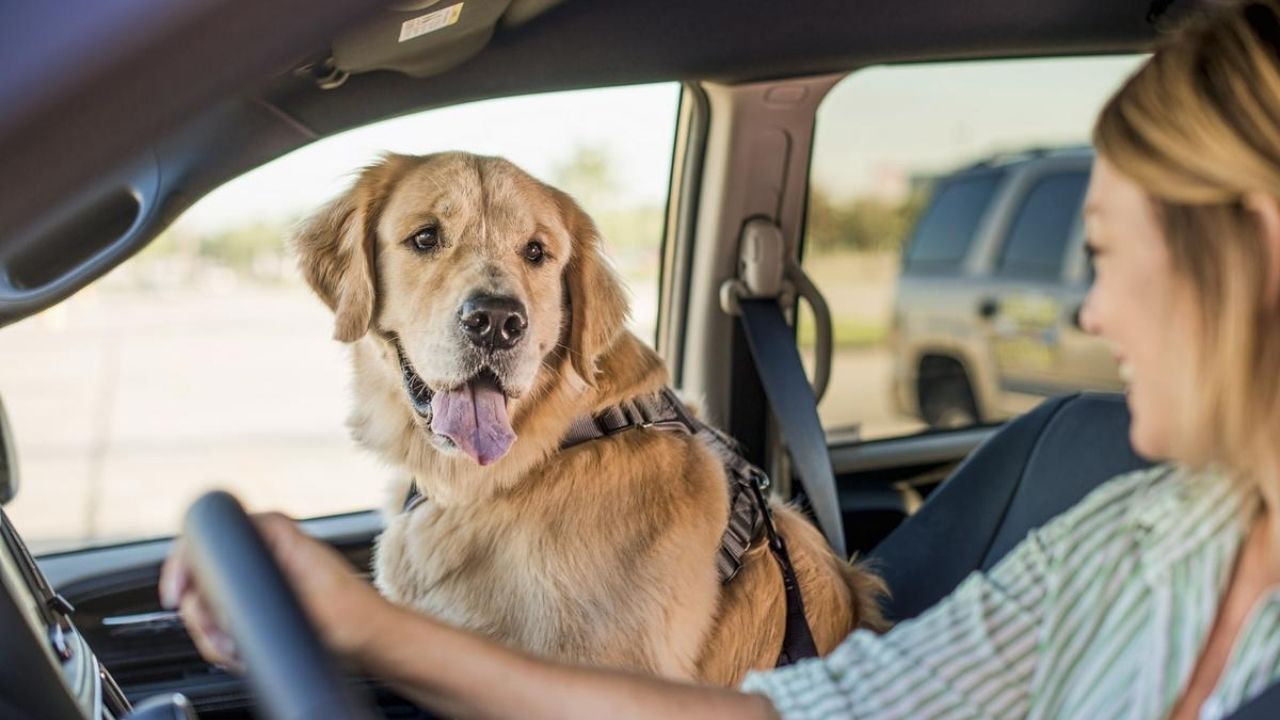
Traveling with your dog can be a rewarding experience when planned thoughtfully. Many dog owners want to include their pets in trips, whether it is a short drive, a family vacation, or a longer journey. Understanding how to prepare, what your dog needs, and how to manage different travel situations can turn a potentially stressful experience into an enjoyable one for both of you. With patience, organization, and awareness of your dog’s comfort, traveling together can become a positive adventure rather than a challenge.
Understand Your Dog’s Travel Personality
Every dog reacts differently to travel. Some dogs love new environments and enjoy car rides, while others feel nervous or uncomfortable when routines change. Observing your dog’s behavior during short trips can help you understand how they respond to movement, unfamiliar sounds, and new surroundings.

Recognizing your dog’s comfort level allows you to adjust your approach. A calm and confident dog may need minimal support, while a sensitive dog may require extra reassurance and preparation to feel safe during travel.
Prepare Your Dog Before the Trip
Preparation is one of the most important steps in stress-free travel. Gradually introducing your dog to travel-related experiences helps reduce fear. Short car rides, time spent in a travel crate, or exposure to travel sounds can help your dog adjust.

Make sure your dog is healthy before traveling. Regular meals, hydration, and rest in the days leading up to the trip help maintain emotional balance. Familiarity and preparation reduce surprises, which are often the root cause of travel stress.
Choose the Right Travel Gear
The right travel equipment can greatly improve your dog’s comfort and safety. A secure harness, seat belt attachment, or travel crate helps prevent sudden movements and keeps your dog protected during the journey.

Comfortable bedding, familiar toys, and favorite blankets provide a sense of home. When dogs recognize familiar scents, they feel more relaxed, even in new places.
Plan Your Travel Time Wisely
Timing plays a major role in how your dog experiences travel. Choosing quieter travel hours can reduce exposure to noise, traffic, and crowded areas, all of which can increase anxiety.

Scheduling trips around your dog’s natural routine also helps. Traveling after exercise or playtime can make your dog more relaxed and likely to rest during the journey.
Take Regular Breaks During Travel
Long journeys can be tiring and stressful for dogs if breaks are not provided. Stopping regularly allows your dog to stretch, hydrate, and relieve themselves.

Breaks also give dogs a mental reset. A few minutes of walking and sniffing can release tension and make the next part of the journey more comfortable.
Maintain a Calm Environment
Dogs are highly sensitive to their owner’s emotions. Staying calm and relaxed helps your dog feel secure. Sudden movements, loud voices, or frustration can increase stress during travel.

Keeping the travel environment quiet and stable makes a noticeable difference. Soft music, controlled temperature, and steady movement contribute to a soothing atmosphere.
Feed and Hydrate Carefully
Feeding your dog at the right time is important when traveling. A large meal immediately before travel can cause discomfort, while traveling on an empty stomach may increase unease.

Providing small amounts of water at regular intervals helps prevent dehydration without causing nausea. Adjusting feeding and hydration routines supports physical comfort and reduces stress.
Help Your Dog Adjust to New Environments
Arriving at a new location can be overwhelming for a dog. New smells, sounds, and spaces may cause excitement or anxiety. Allow your dog time to explore slowly and at their own pace.

Setting up familiar items such as bedding or toys immediately helps create a sense of familiarity. Maintaining normal routines for feeding and rest also helps your dog settle in more easily.
Respect Your Dog’s Limits
Not every dog enjoys long or frequent travel. Paying attention to signs of stress such as pacing, whining, or excessive panting helps you respond before anxiety escalates.

Respecting your dog’s comfort level builds trust. Adjusting travel plans, taking longer breaks, or shortening trips shows your dog that their well-being comes first.
Reward Calm Behavior
Positive reinforcement plays a powerful role in stress-free travel. Calm behavior should be acknowledged with gentle praise, treats, or affection.
Rewarding relaxed responses helps your dog associate travel with positive experiences. Over time, this builds confidence and reduces fear associated with movement and change.
Conclusion
Traveling with your dog without stress is achievable with thoughtful planning and understanding. By preparing in advance, choosing the right equipment, maintaining routines, and responding to your dog’s emotional needs, you can create a comfortable travel experience.
A calm approach, patience, and respect for your dog’s limits make all the difference. When travel becomes a shared and positive experience, it strengthens the bond between you and your dog, turning every journey into a meaningful adventure.