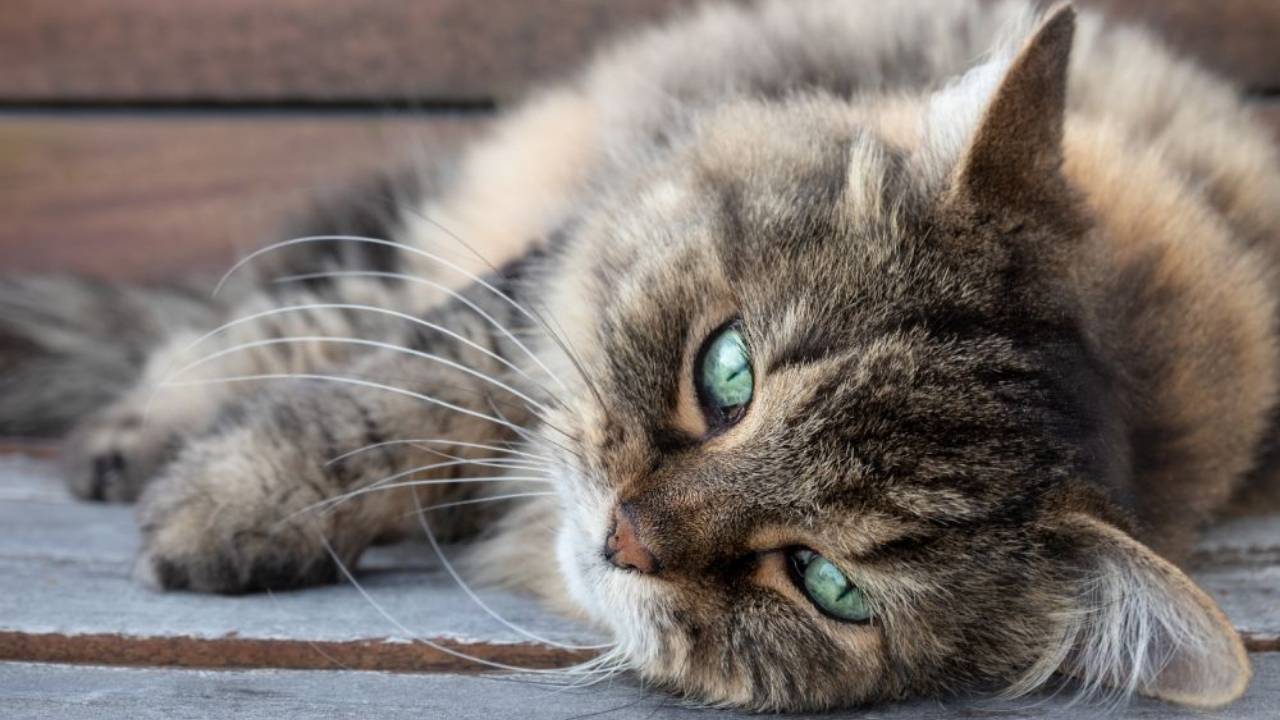
Cats are beloved companions, and as they grow older, they enter a stage of life that comes with unique health challenges. Senior cats often hide signs of illness, making it important for owners to be extra attentive. Age-related changes can affect their joints, organs, teeth, and even their behavior. Understanding what health problems are common in older cats can help you spot early warning signs, provide proper care, and improve your cat’s quality of life. With the right attention, diet, and regular veterinary check-ups, you can make your cat’s golden years comfortable, happy, and safe.
What are the most common medical problems for senior cats?
Cats are generally considered senior around 10 years old, and geriatric at 15 years and older. Many health problems become more common during these stages, and early detection is key to keeping your cat healthy. Regular veterinary check-ups, observing behavior changes, and maintaining a balanced diet can go a long way in preventing or managing these conditions. Here are eight of the most common medical problems in older cats.

1. Arthritis
Arthritis affects many senior cats and can make their joints stiff and painful. It is common in cats over 10 years old.
You might notice your cat is reluctant to jump, seems stiff when walking, changes litter box habits, or becomes restless at night. While arthritis cannot be cured, it can be managed. Pain relief, joint supplements, weight control, and soft bedding can make your cat more comfortable. Gentle exercise also helps keep joints moving.

2. Lumps and Growths
Older cats often develop lumps or bumps on their bodies. Most are harmless, like fatty lumps or small cysts. However, some lumps can be cancerous.
Rapidly growing, painful, or bleeding lumps should be checked by a veterinarian. Diagnosis may involve a needle test, biopsy, or removal of the lump. Some lumps can be monitored, while others require surgery, and certain cancers may need additional treatment like chemotherapy.

3. Dental Problems
Dental disease is very common in older cats. It includes tooth decay, gum infections, abscesses, and tooth loss.
Symptoms include bad breath, drooling, chewing on one side, facial swelling, and losing weight. Regular veterinary dental care is important. Your vet may recommend cleaning, tooth extraction, or specialist treatment. Brushing your cat’s teeth and using dental diets can also help prevent dental problems.

4. Kidney Disease
Kidney disease affects many senior cats, especially those over 10 years old. The kidneys may lose their ability to filter waste effectively.
Symptoms include drinking and urinating more than usual, vomiting, weight loss, and lethargy. Kidney disease cannot be cured, but it can often be managed with a special diet, medication, and careful monitoring. Early detection is important to help your cat stay comfortable.

5. Hyperthyroidism
Hyperthyroidism happens when the thyroid gland produces too much hormone. It is common in older cats and can affect metabolism.
Signs include weight loss despite a healthy appetite, increased thirst, hyperactivity, and a dull coat. A blood test can confirm the diagnosis. Treatment options include medication, surgery, or radioactive iodine therapy. Early treatment helps prevent complications.

6. Heart Disease
Heart problems are more common in senior cats. They can affect a cat’s quality of life but are often manageable.
Symptoms include lethargy, rapid breathing, weight loss, and sleeping more than usual. Vets diagnose heart disease using blood tests, x-rays, ECG, and heart scans. Medication can help manage symptoms, and your vet will suggest the best treatment based on your cat’s condition.

7. Digestive Issues
Older cats may experience vomiting, diarrhea, or constipation. These can be caused by digestive problems or other health conditions like kidney disease.
Mild upset usually passes in a day or two, but persistent symptoms or combined issues like weight loss or increased thirst should be checked by a vet. Inflammatory bowel disease is one common digestive issue in older cats and may require diet changes and medication.

8. Dementia
Cats can develop cognitive changes as they age, similar to dementia in humans.
Symptoms include confusion, increased meowing, changes in behavior, and less activity. There is no test for feline dementia, but vets can often diagnose it based on symptoms. Medications, supplements, and routine changes can help support affected cats and improve their quality of life.

Conclusion
Senior cats have special health needs. By being aware of these common problems, you can notice early signs and provide the right care. Regular vet visits, proper nutrition, comfortable living spaces, and gentle exercise can help your older cat enjoy their golden years with comfort and happiness.